A long-lasting asphalt surface starts well before the first layer is installed. It depends on thoughtful planning, careful preparation, proper materials, and routine maintenance after the project is complete. For driveways, parking lots, private roads, and commercial surfaces, asphalt must handle vehicle weight, changing weather, standing water, and daily wear without breaking down too soon.
An asphalt contractor helps property owners make choices that support both performance and value. Instead of focusing only on appearance, the process considers soil conditions, traffic patterns, drainage, thickness, compaction, and future upkeep. When each of these details is handled correctly, the finished surface is better equipped to remain smooth, functional, and durable for years.
Evaluating Site Conditions
Every asphalt project begins with the land underneath it. Before work begins, an asphalt contractor evaluates the site to understand how the surface will be used and what challenges may affect the finished result. A residential driveway, for example, may need to support daily vehicle traffic, while a commercial parking lot may need to handle delivery trucks, customer vehicles, and regular turning movements.
Site conditions also include soil stability, slope, moisture levels, and existing pavement damage. Soft or poorly compacted soil can shift beneath the asphalt, creating cracks, dips, and uneven sections. Areas with poor drainage may allow water to collect, weakening the base and increasing the risk of potholes.
A careful evaluation helps determine whether the existing surface can be repaired or whether full removal and replacement is the better option. This step also helps identify grading needs, drainage concerns, and structural requirements before installation begins.
Preparing a Stable Base
A durable asphalt surface depends heavily on the base underneath it. Even high-quality asphalt can fail early if it is placed over weak, unstable, or poorly prepared material. That is why base preparation is one of the most important steps in the paving process.
An asphalt contractor typically removes unsuitable materials, grades the area, and installs a compacted aggregate base when needed. This base creates a firm foundation that spreads the weight of vehicles and helps prevent the surface from shifting. Proper compaction reduces air pockets and weak spots that could later turn into cracks or depressions.
Base thickness also matters. Heavier traffic requires a stronger base and a pavement design that can handle repeated loads. A parking lot used by trucks or commercial vehicles may require more preparation than a standard residential driveway. By matching the base to the expected use, the finished surface is more likely to perform as intended.
Selecting the Right Asphalt Mix
Not every asphalt mix is the same. Different projects require different materials depending on climate, traffic level, surface use, and performance goals. An asphalt contractor considers these factors when selecting the mix for the job.
A surface used for light residential traffic may not require the same mix as a busy commercial lot. Some mixes are designed to withstand heavier loads, while others are chosen for smoother finishes or better flexibility in freeze-thaw conditions. The right mix helps the pavement resist cracking, rutting, and surface wear.
Temperature also plays a major role during installation. Asphalt must be installed and compacted while it is still hot enough to bond properly. If it cools too quickly or is installed in poor weather conditions, the surface may not achieve the strength and density needed for long-term performance. Proper timing and material handling help create a finished surface that can better withstand daily use.
Installing With Careful Methods
Installation quality has a direct impact on how long asphalt lasts. Even with a strong base and the right mix, poor installation can lead to early cracking, loose material, or uneven areas. An asphalt contractor uses proper equipment and installation methods to create a smooth, compact, and consistent surface.
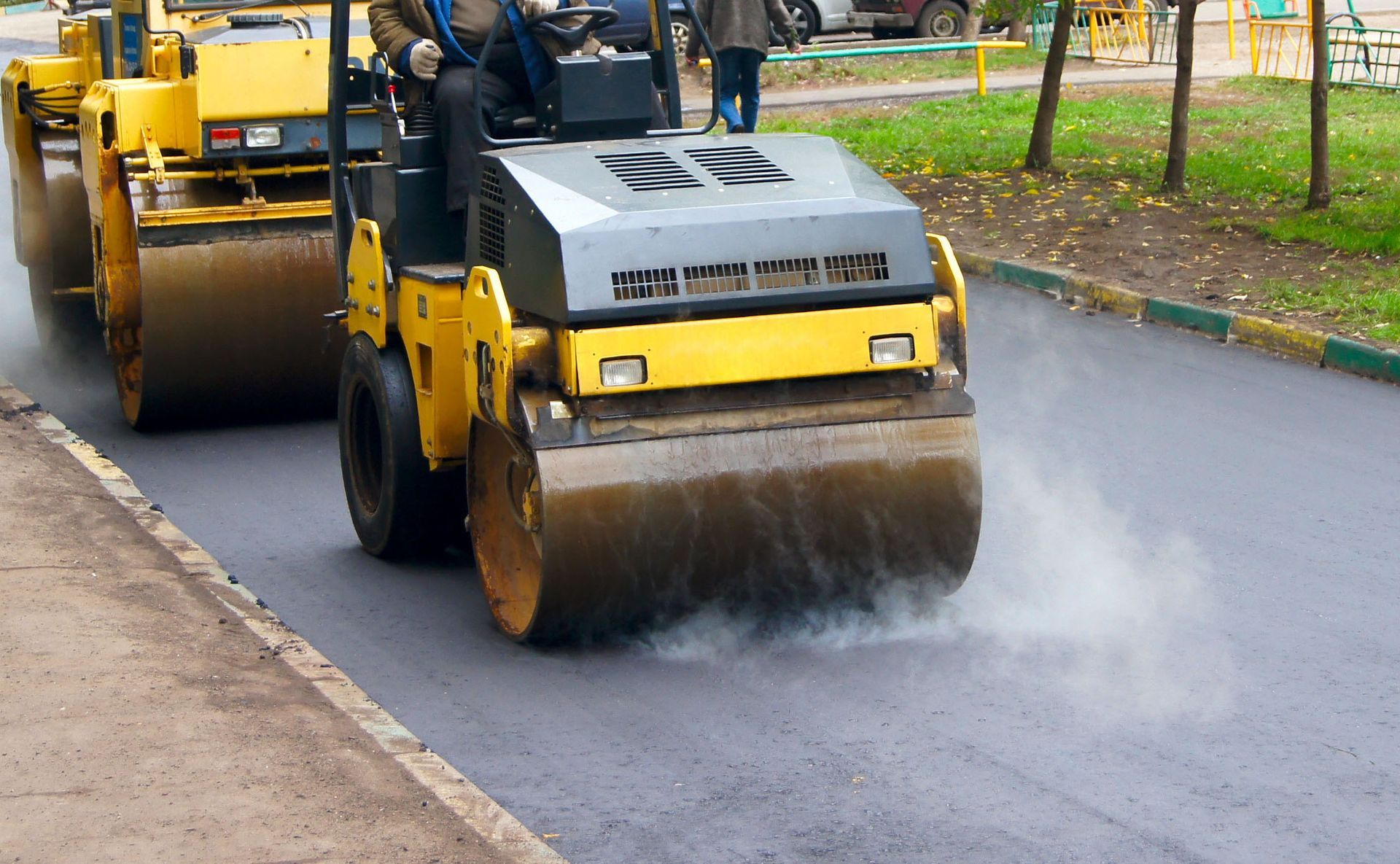
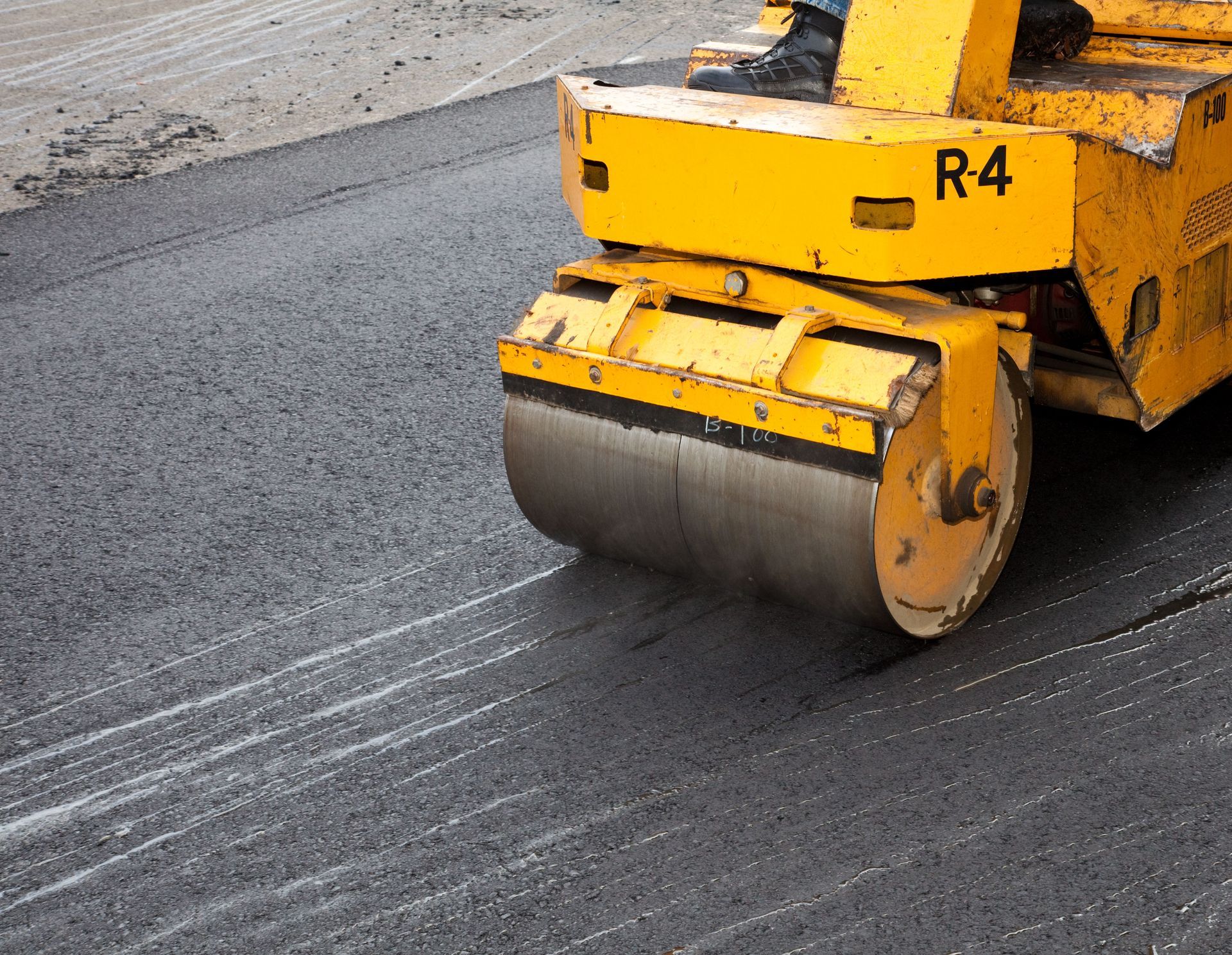
Compaction is especially important. When asphalt is compacted correctly, it becomes denser and stronger. This helps reduce water penetration and improves resistance to traffic damage. If the surface is under-compacted, air voids may remain in the pavement, making it easier for water to enter and weakening the structure over time.
The installation process also includes careful attention to thickness, edges, seams, and transitions. Areas where new pavement meets existing surfaces must be finished smoothly to reduce tripping hazards and vehicle wear. Edges should be supported to help prevent crumbling. These details may seem small, but they play a major role in how the surface performs.
Supporting Drainage and Edge Strength
Water is one of the biggest threats to asphalt durability. When water sits on the surface or seeps into cracks, it can weaken the base, contribute to potholes, and make freeze-thaw damage worse in colder climates. A long-lasting surface needs a plan for moving water away from the pavement.
An asphalt contractor helps create proper drainage through grading, slope, and surface design. The pavement should direct water toward appropriate drainage areas instead of allowing it to pool in low spots. Even slight changes in slope can make a major difference in how well the surface sheds water.
Edge strength is also important. Unsupported asphalt edges are more likely to crumble, especially when vehicles drive close to the side. Strong edges, proper transitions, and surrounding support help the pavement maintain its shape. This is especially important for driveways, parking lots, and access roads where vehicles may turn, park, or travel near the edge of the surface.
Maintaining the Surface Over Time
Even the best asphalt surface needs maintenance to reach its expected lifespan. Regular care helps slow damage, protect the surface, and address small problems before they become larger repairs. According to This Old House, asphalt paving can last 15 to 20 years when it is sealed regularly.'
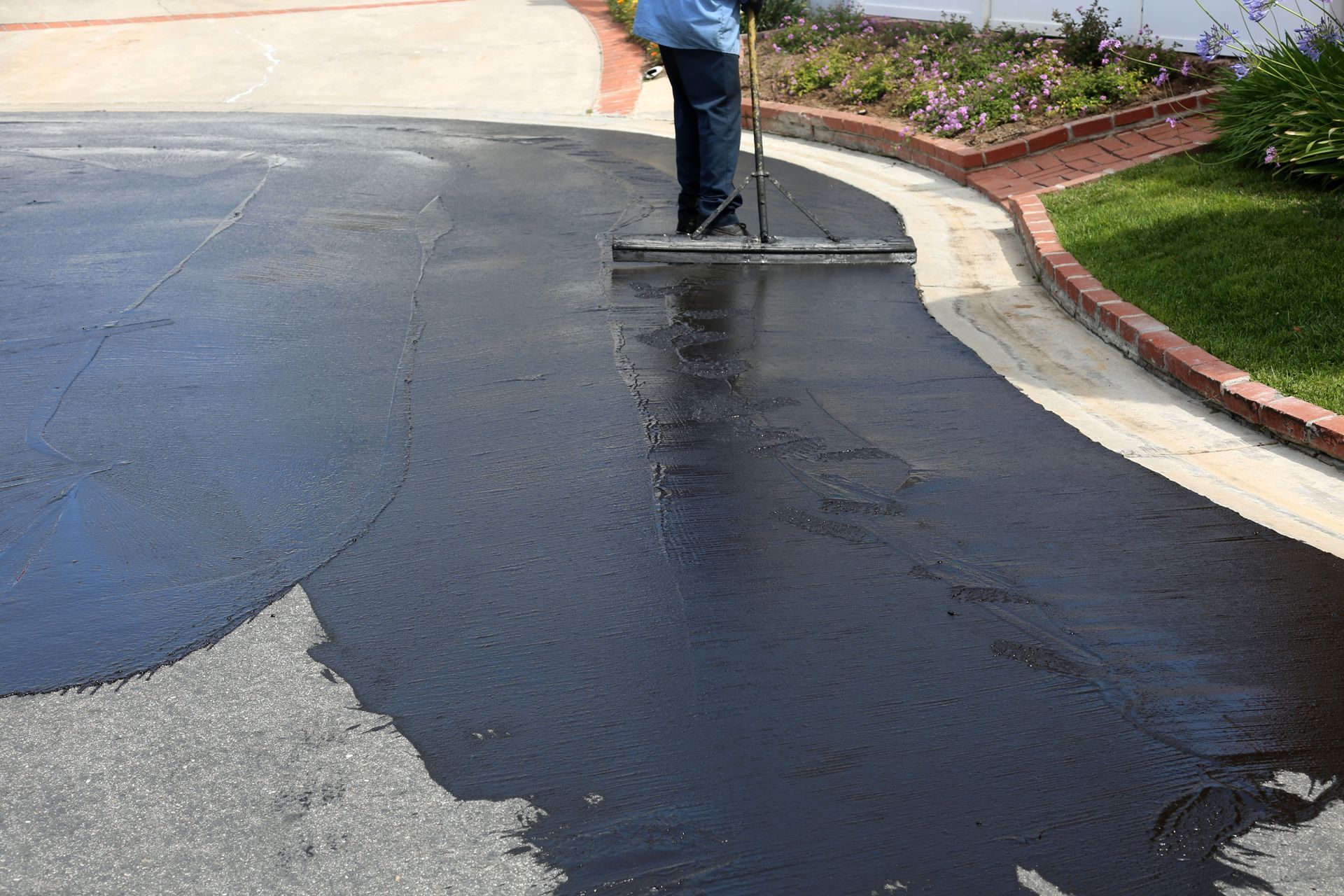
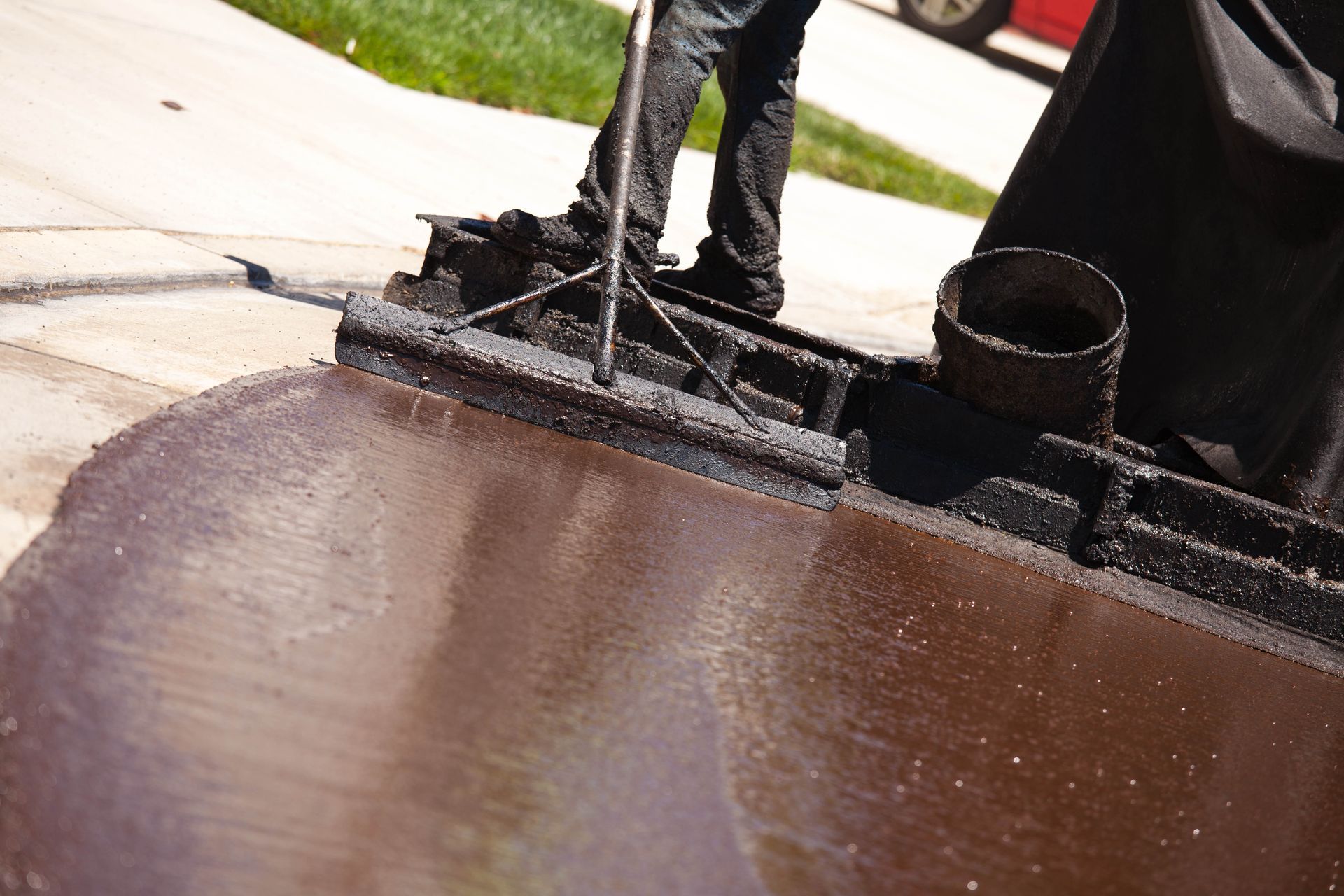
An asphalt contractor may recommend sealcoating, crack filling, patching, and routine inspections based on the surface’s age and condition. Sealcoating helps protect against sunlight, water, oil, and general wear. Crack filling helps keep water from entering the pavement and damaging the base below. Small patches can correct isolated damage before it spreads across a larger area.
Maintenance schedules depend on traffic, weather exposure, and the overall condition of the pavement. A lightly used residential driveway may need a different plan than a busy commercial lot. However, the goal remains the same: protect the structure, extend the life of the surface, and reduce the need for premature replacement.
Protecting Long-Term Pavement Value
A well-built asphalt surface is an investment in safety, appearance, and function. Smooth pavement improves curb appeal, supports easier driving and parking, and reduces the risk of damage caused by potholes or uneven areas. For businesses, it can also create a more organized and professional first impression.
An asphalt contractor supports long-term value by looking at the full project rather than only the surface layer. From site evaluation to base preparation, material selection, installation, drainage, and maintenance, every step contributes to the final result. When these details are handled with care, asphalt is better prepared to stand up to weather, traffic, and everyday use.
Property owners can also protect their investment by responding quickly to signs of wear.
Cracks, pooling water, loose edges, and surface fading should not be ignored. Early attention can help prevent deeper structural problems and keep the pavement safer and more usable over time. Call C&C Asphalt and Concrete Construction today to schedule your asphalt or concrete service.