October 9, 2026
Selecting the ideal partner for your commercial paving project is a foundational decision that dictates the safety, durability, and visual appeal of your property. A commercial parking lot or access road represents a major capital investment, and working with unqualified technicians can lead to premature structural failures, costly water damage, and severe operational disruptions. Evaluating potential partners requires looking beyond initial price tags to assess technical qualifications, material standards, equipment capabilities, and long-term maintenance strategies. By systematically assessing project needs, conducting rigorous background research, verifying industry credentials, and analyzing detailed proposals, property owners can confidently choose asphalt contractors who deliver exceptional craftsmanship, long-lasting pavement performance, and complete peace of mind.
Assessing Your Project Needs
Every commercial paving project begins with a clear, thorough assessment of spatial scope and operational requirements. Property owners must define whether the job entails new site construction, complete full-depth reclamation, structural overlaying, or localized patching. Outlining exact square footage, traffic volume expectations, heavy truck loading zones, and existing surface degradation enables you to communicate precise expectations to prospective asphalt contractors. Furthermore, identifying specific site constraints—such as maintaining ADA-compliant access routes, integrating underground utilities, and managing stormwater runoff—ensures that proposals account for all necessary engineering and grading work from the outset.
Establishing a realistic budget and project timeline is equally vital during initial planning. While keeping initial capital outlays manageable is important, focusing solely on the lowest bid often leads to substandard material mixes or insufficient asphalt thickness that fails prematurely under heavy vehicle traffic. Long-term value must remain the priority; according to This Old House, asphalt paving can last 15 to 20 years with regular sealing. Factoring in future maintenance schedules and coordinating work phases around business operating hours ensures that the installation process minimizes daily disruptions while setting the foundation for decades of reliable service.
Researching Potential Contractors
Finding qualified asphalt contractors requires thorough market research and active peer networking. Begin by seeking direct recommendations from property managers, real estate developers, and commercial building owners within your local network. Firsthand referrals provide authentic insights into a company's work ethic, equipment reliability, adherence to schedules, and overall customer service. Complement these personal recommendations by checking independent online reviews and industry ratings, observing how contractors address past client feedback and resolve unexpected field challenges.
Evaluating a contractor's physical portfolio and industry experience offers visual proof of their capabilities. Review documented past projects that match the scale, traffic density, and complexity of your proposed job. Examine completed commercial parking lots, municipal roadways, or industrial loading zones to evaluate joint seam quality, edge compaction, and surface uniformity. During initial consultations, pay close attention to communication responsiveness and professional transparency, as a contractor who provides clear answers and detailed answers during research will likely maintain excellent coordination throughout active construction.
Verifying Credentials and Certifications
Verifying professional credentials is a mandatory step that protects your commercial enterprise from legal liability and structural non-compliance. Ensure that prospective asphalt contractors possess active state and local contractor licenses specific to heavy civil construction and paving. Additionally, verify comprehensive insurance coverage, including general liability, commercial auto, and workers' compensation policies. Requesting certificates of insurance directly from the contractor's insurance carrier guarantees that your business is shielded from financial claims resulting from on-site personal injuries or equipment accidents.
Industry certifications and regulatory knowledge further separate elite contractors from amateur operations. Look for active memberships in recognized professional organizations, such as the National Asphalt Pavement Association, which signal a commitment to continuous technical education, modern mix design standards, and environmental stewardship. Experienced asphalt contractors maintain a thorough understanding of local zoning ordinances, municipal permitting procedures, environmental runoff codes, and OSHA safety standards. Prioritizing contractors with clean safety records and formal safety training programs ensures a secure, compliant job site.
Requesting and Analyzing Bids
Once you have vetted a shortlist of qualified asphalt contractors, issue a detailed Request for Proposal that outlines exact material specifications, compaction requirements, slope parameters, and site preparation expectations. Providing identical project guidelines to all bidders ensures that you receive transparent, directly comparable estimates. Upon receiving proposals, examine the detailed cost breakdowns carefully, distinguishing between line items for excavation, aggregate sub-base preparation, asphalt binder courses, wearing surfaces, and line striping.
Comparing competitive bids requires evaluating the total long-term value offered rather than focusing strictly on upfront costs. Watch out for unrealistically low estimates, which often indicate thin asphalt lifts, low-grade aggregate bases, or hidden add-on fees that surface later in the project. Engage contractors in detailed discussions regarding warranty terms, material guarantees, payment schedules, and contingency plans for weather delays or unexpected subgrade soil instability. Selecting a partner who provides a transparent, all-inclusive proposal ensures clear accountability from initial grading to final compaction.
Overseeing Project Execution and Quality Assurance
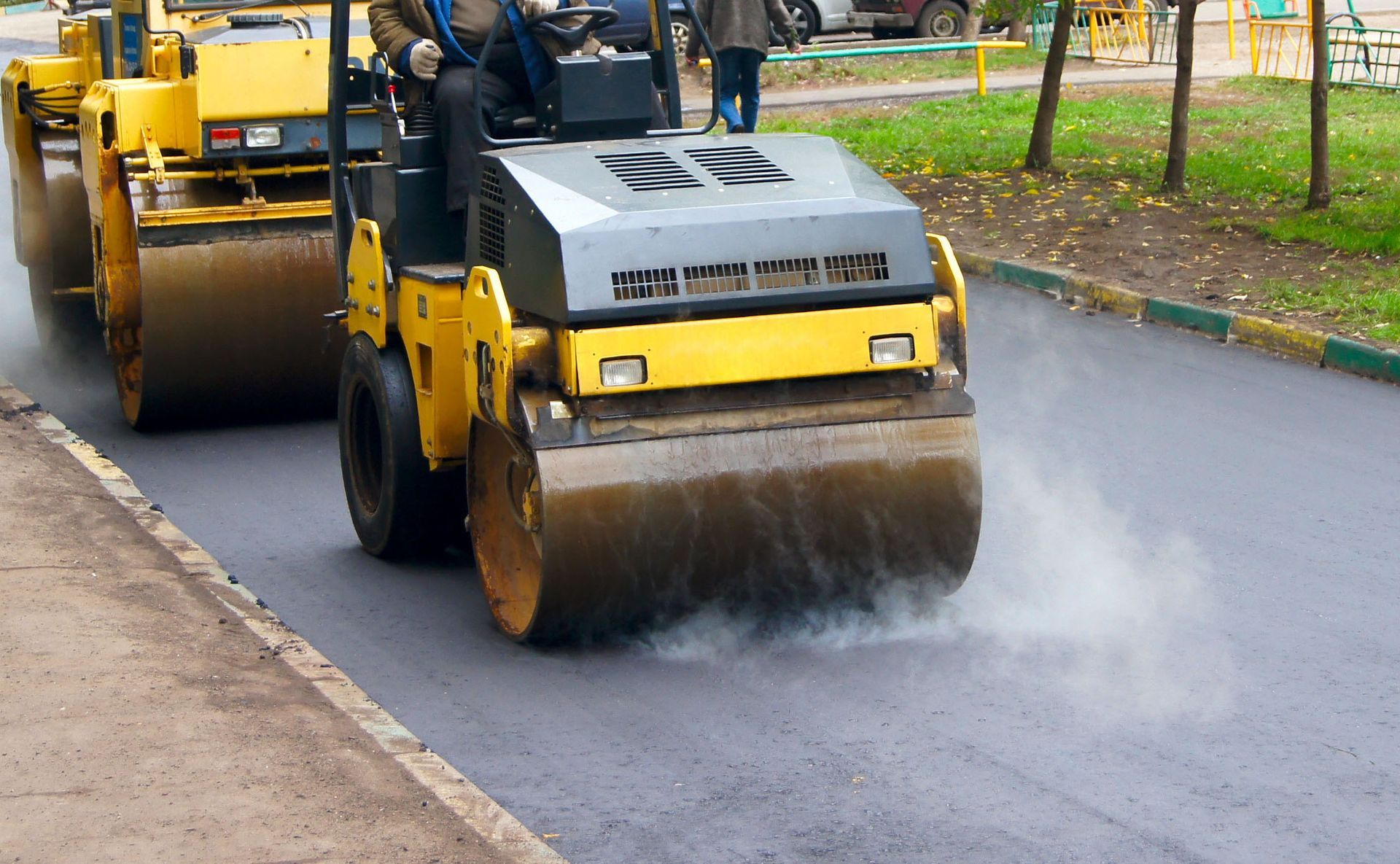
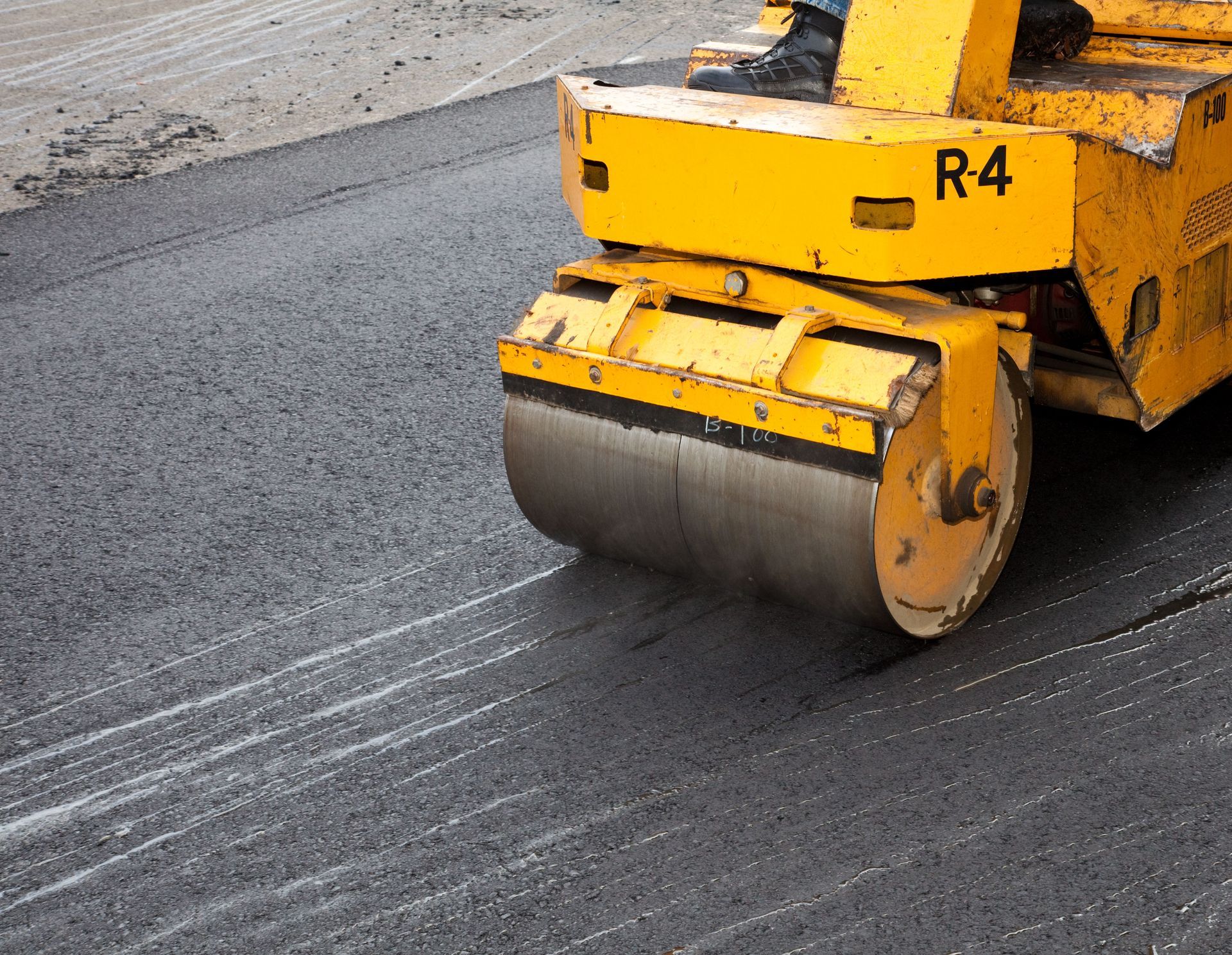
With a signed contract in place, active quality control and clear communication during project execution guarantee that construction meets established engineering standards. Establish a primary point of contact and schedule regular progress walk-throughs with the project supervisor. Prior to laying hot-mix asphalt, verify that subgrade compaction meets density requirements and that the aggregate base layer provides proper drainage slopes. Quality asphalt contractors utilize automated laser grading tools and heavy-duty vibrating rollers to establish a uniform, stable foundation capable of supporting heavy commercial loads.
Throughout the paving and curing phases, monitor key operational factors such as hot-mix delivery temperatures, mat thickness, and seam compaction. Professional crews maintain strict temperature controls to ensure binder cohesion and prevent premature cooling that leads to surface raveling. Following completion, review the finished pavement for uniform texture, smooth transitions, proper water drainage toward catch basins, and crisp paint striping. Maintaining an open dialogue with your contractor through final sign-off ensures that any minor touch-ups are resolved quickly, leaving you with a durable, pristine commercial pavement asset
Implementing Long-Term Maintenance and Sealcoating Strategies
Securing a high-return investment in commercial asphalt does not end when the initial rolling and striping are complete. To maximize the operational lifespan of your new surface and delay costly full-depth repairs, property owners must establish a proactive preventive maintenance program. The primary catalyst for asphalt degradation is UV exposure, which oxidizes the petroleum binder and turns flexible black pavement into a brittle, gray surface prone to cracking. Water then infiltrates these micro-fissures, expanding during freeze-thaw cycles and eroding the underlying aggregate base.
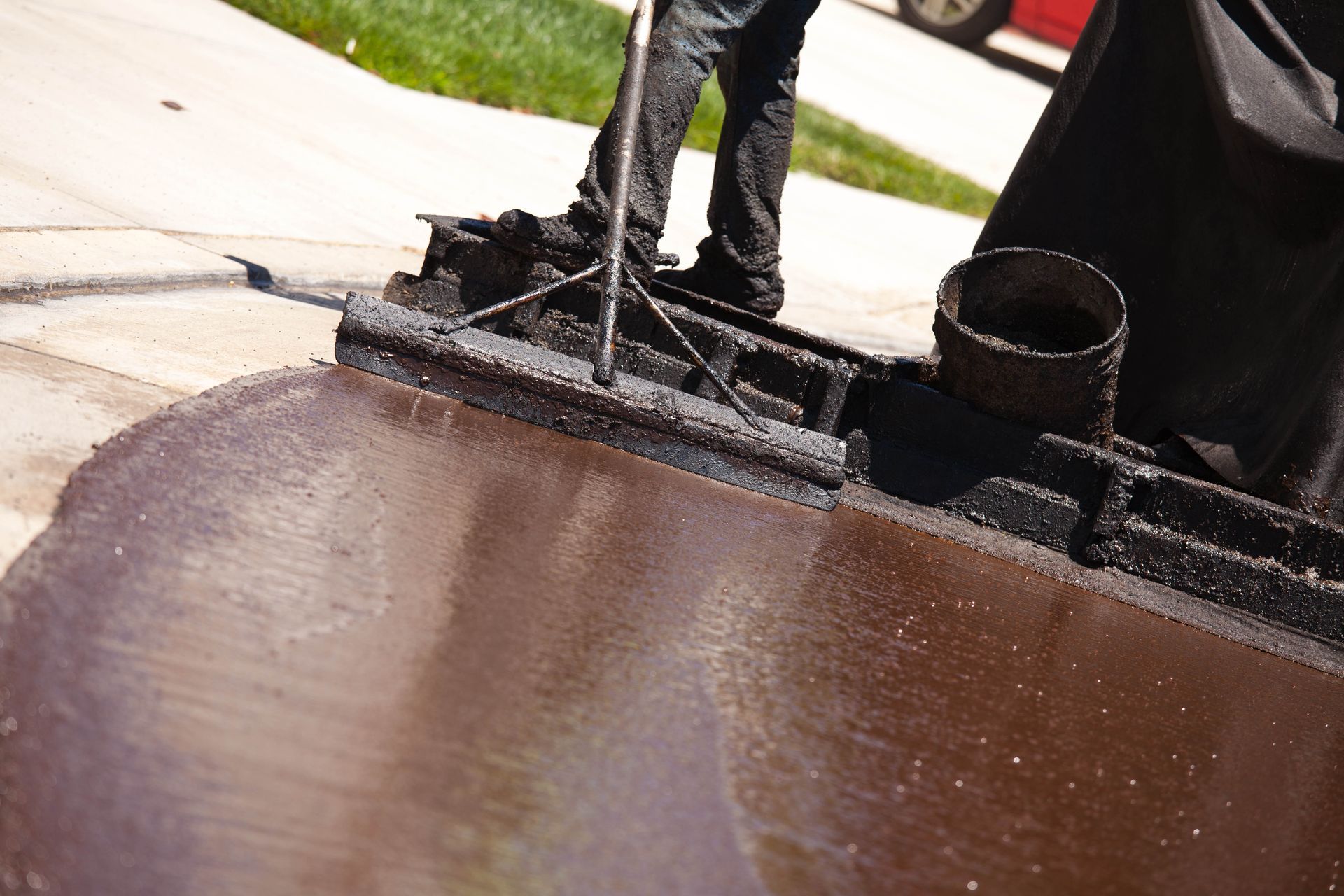
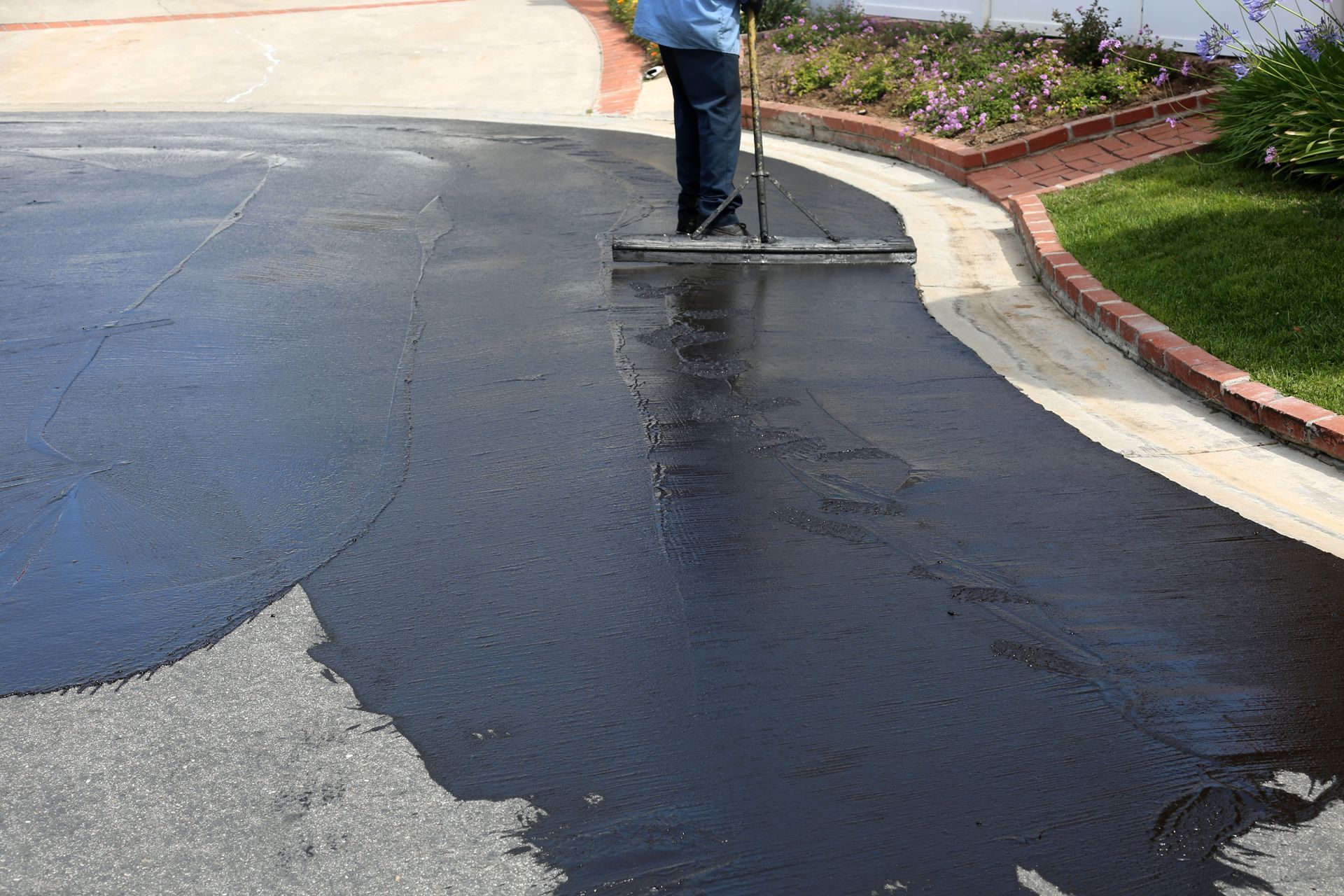
Applying a commercial-grade sealcoat within 12 to 18 months of initial installation—and repeating the process every two to three years—creates an impenetrable barrier against sunlight, automotive fluids, and standing water. Furthermore, routine inspections allow maintenance crews to fill hairline cracks with hot-rubberized sealant before they develop into deep potholes. Partnering with experienced asphalt contractors to design a scheduled maintenance plan preserves surface flexibility, protects structural integrity, and keeps your parking facility looking pristine. Investing a small fraction of your capital budget into routine maintenance drastically reduces long-term lifecycle costs and extends the useful life of your commercial pavement by decades.
Selecting the right commercial paving partner is a strategic investment that directly impacts your property's accessibility, safety, and long-term financial value. By conducting a thorough assessment of your operational needs, researching established market options, verifying licensing and insurance credentials, and carefully analyzing itemized proposals, you establish a solid framework for project success. Investing in high-quality materials, precise sub-base preparation, and skilled installation ensures that your commercial surface withstands heavy traffic and harsh weather conditions for decades. When you are ready to construct a smooth, high-performance commercial surface tailored to your exact operational specifications, partner with the experienced paving specialists at C&C Asphalt and Concrete Construction to secure superior craftsmanship, robust warranties, and reliable service from start to finish.