September 1, 2026
Asphalt pavement is exposed to constant stress from sunlight, water, temperature changes, vehicle traffic, oil, chemicals, and everyday wear. Over time, these conditions can dry out the surface, weaken the binder, and contribute to cracks, fading, and other forms of deterioration. Preventive maintenance can help slow that process and reduce the likelihood that minor surface problems become larger structural concerns. One common maintenance method is sealcoating, which adds a protective layer over asphalt to help shield it from damaging elements. While it does not repair major structural damage, it can support the condition of pavement when applied at the appropriate time. Understanding how this treatment works and what benefits it provides can help property owners make more informed decisions about maintaining driveways, parking lots, private roads, and other paved surfaces.
Protecting Against Water Intrusion
Water is one of the most persistent threats to asphalt pavement. When cracks or surface openings allow water to penetrate, moisture can reach the base beneath the asphalt and weaken the support structure. During colder weather, trapped water may also freeze and expand, placing additional pressure on the surrounding pavement. Over time, this cycle can contribute to cracking, potholes, and uneven areas that require more substantial repairs. Proper drainage around paved surfaces can also help limit standing water and reduce the amount of moisture that remains in contact with vulnerable areas.
Sealcoating helps create a protective barrier that can reduce the amount of water reaching the asphalt surface and entering small openings. This does not eliminate the need to repair existing cracks, but it can complement crack filling and other maintenance by limiting future exposure. By reducing repeated moisture infiltration, property owners may be able to slow deterioration and preserve the pavement's surface condition for a longer period. Regular inspections can help identify new cracks early so they can be addressed before water has additional opportunities to penetrate the pavement.
Shielding Against UV Exposure
Sunlight can gradually affect asphalt by oxidizing the binders that hold the pavement together. As oxidation progresses, the surface may become lighter in color, more brittle, and less flexible. Brittle pavement is more likely to crack under the stress of traffic and temperature changes. Areas with strong or prolonged sun exposure can therefore show visible aging even when the pavement has not experienced heavy vehicle use.
A properly applied sealcoating layer can help reduce direct exposure to ultraviolet radiation and slow the oxidation process. This protective effect can help the asphalt retain more of its flexibility and darker appearance over time. By limiting some of the environmental stress placed on the surface, regular maintenance can help delay the point at which the pavement begins to show widespread signs of aging.
Reducing Damage From Oil and Chemicals
Parking lots and driveways are frequently exposed to oil, gasoline, automotive fluids, and other chemicals that can soften or weaken asphalt. Leaks from parked vehicles may remain on the surface for long periods, giving these substances time to interact with the binder. Repeated exposure can contribute to staining, deterioration, and localized soft spots that become more vulnerable to traffic damage.
Sealcoating can provide an added layer between the asphalt and these common contaminants. While spills should still be cleaned promptly, the coating can help reduce direct contact and slow penetration into the pavement. This is especially useful in commercial parking areas or heavily used driveways where vehicle leaks are more likely to occur. Limiting chemical exposure can help preserve the integrity of the asphalt and reduce the need for premature repairs.
Slowing Surface Deterioration
Asphalt naturally wears down as vehicles pass over it and environmental conditions repeatedly affect the surface. Small aggregate particles can loosen, the surface can become rougher, and minor cracks may begin to form. According to The Pavement Network, over 350 million tons of asphalt pavement are produced every year. With so much asphalt in use, long-term maintenance becomes an important consideration for property owners who want to protect existing pavement rather than replace it too soon.
Sealcoating can help slow some forms of surface deterioration by creating a uniform protective layer over the pavement. This layer takes on some of the direct exposure that would otherwise affect the asphalt itself. Although the coating will gradually wear and need to be reapplied, using it as part of a broader maintenance plan can help reduce surface aging and keep pavement in better condition between larger repair projects.
Improving Pavement Appearance
Appearance is not the only reason to maintain asphalt, but it can still matter for homes, businesses, apartment complexes, and other properties. As asphalt ages, it often fades from deep black to gray and may develop patchy areas, stains, or surface inconsistencies. These changes can make otherwise functional pavement appear worn and neglected, even if serious structural problems have not yet developed.
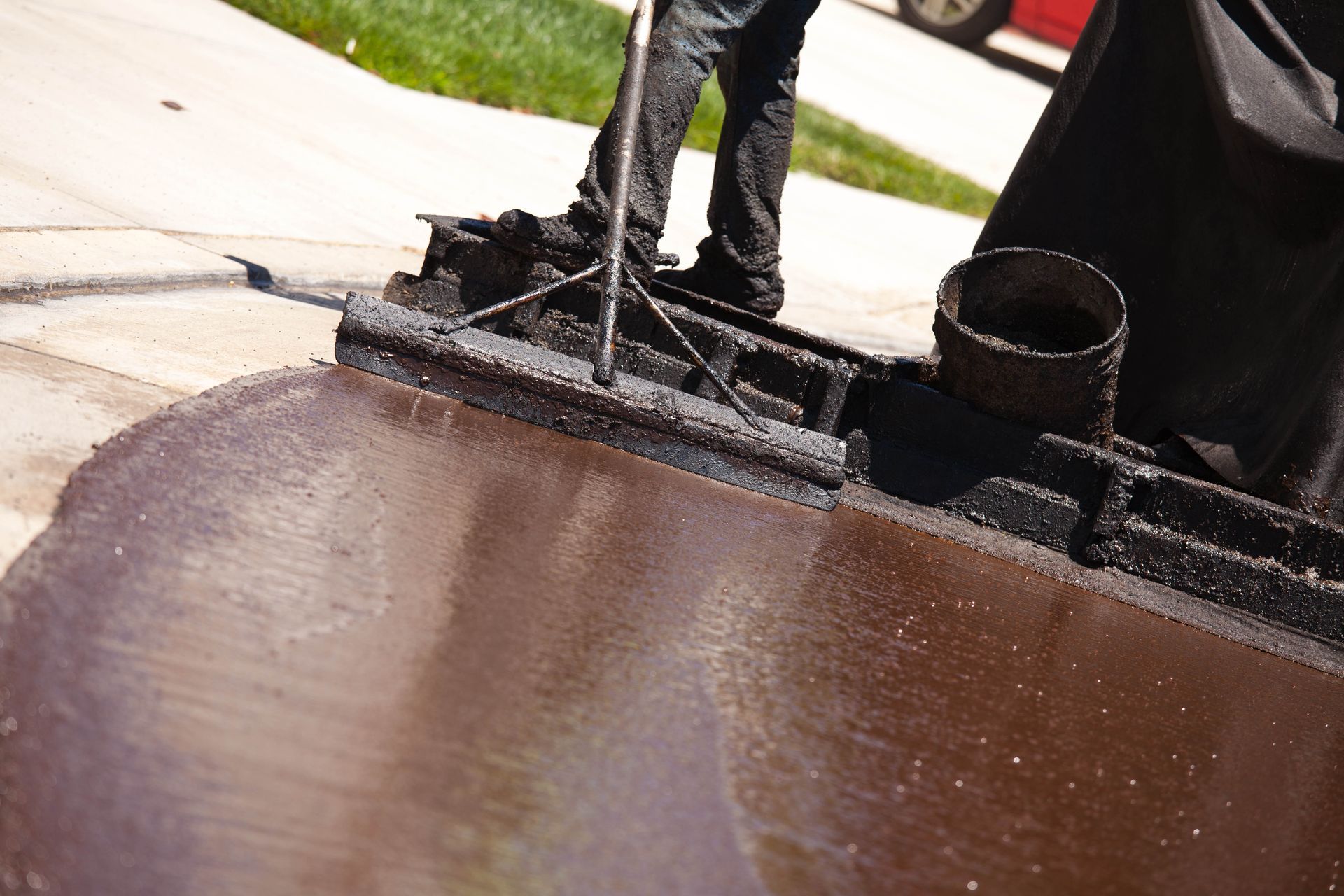
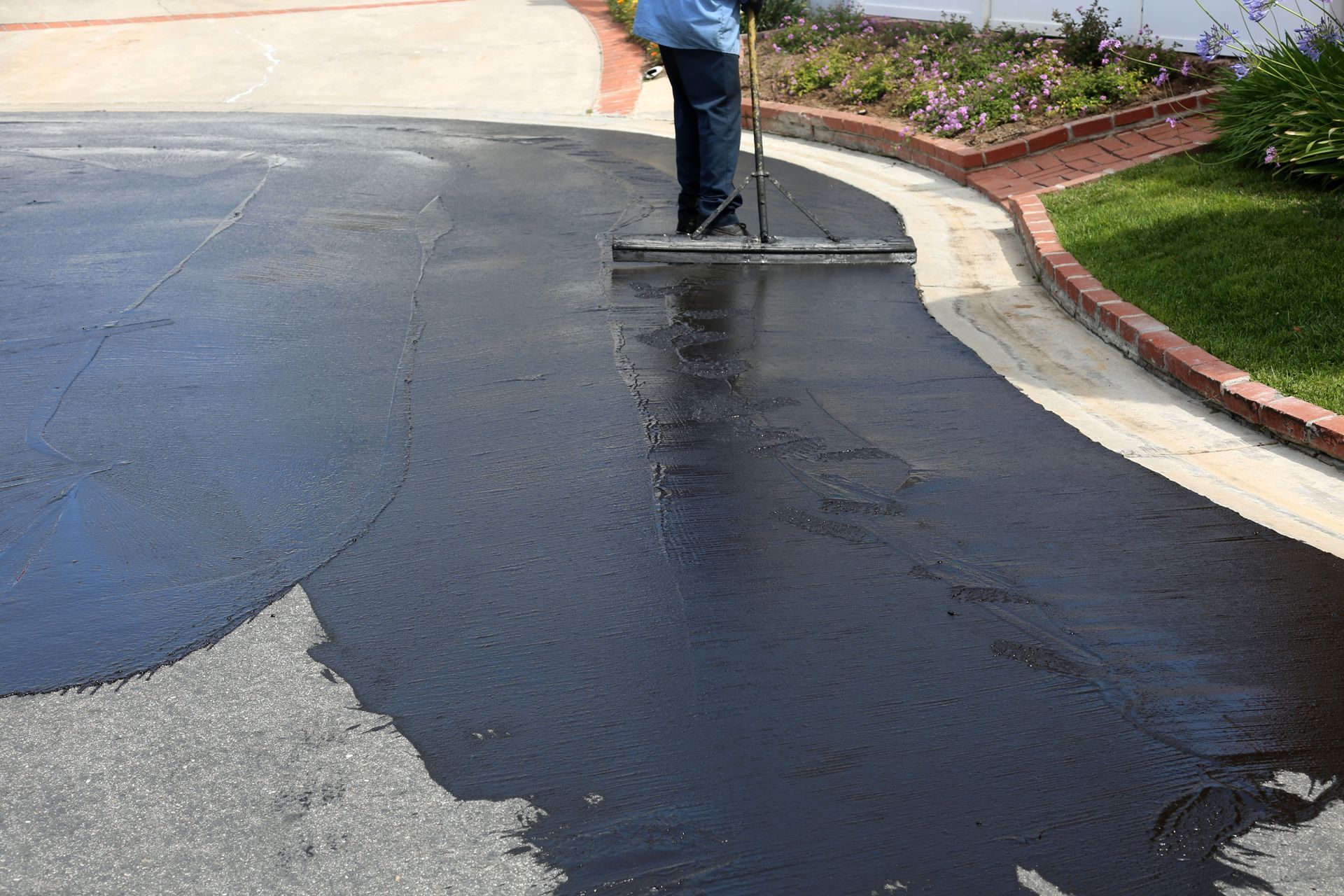
Sealcoating restores a darker, more uniform appearance that can make pavement look cleaner and better maintained. This can be especially noticeable in parking lots or driveways that occupy a large portion of the visible property. A more consistent surface can also make painted parking lines, directional markings, and other striping stand out more clearly. The visual improvement can therefore complement practical maintenance benefits.
Supporting Easier Routine Maintenance
A smoother and more uniform pavement surface can be easier to maintain on a day-to-day basis. Dirt, leaves, debris, and minor spills may be easier to remove when the surface has fewer exposed pores and rough areas. Regular sweeping and cleaning can also help prevent organic material or contaminants from accumulating in small cracks and surface imperfections where they may contribute to deterioration.
Sealcoating can support this routine maintenance by providing a more consistent surface that is easier to inspect and clean. When cracks, stains, or damaged areas develop, they may also be easier to notice against the darker coated pavement. Early identification gives property owners an opportunity to address minor issues before they become more extensive. Combining routine cleaning, inspections, crack repair, and surface treatments can help extend pavement service life.
Reducing the Need for Premature Replacement
Replacing asphalt pavement can be a significant project, especially when large parking areas, access roads, or long driveways are involved. While all pavement eventually reaches the end of its useful life, preventive maintenance can help delay that point. Addressing cracks early, repairing isolated damage, managing drainage, and protecting the surface can all contribute to a longer-lasting pavement system.
Sealcoating is most effective when used as one part of that larger maintenance strategy rather than as a substitute for needed repairs. Pavement with major structural failure, deep potholes, or extensive base problems may require more substantial work before any coating is applied. For asphalt that is still in generally good condition, however, protective maintenance can help preserve the surface, reduce deterioration, and extend the time before full replacement becomes necessary.
Extending pavement lifespan depends on consistent maintenance and timely attention to developing problems. Water, sunlight, chemicals, traffic, and normal aging can all contribute to asphalt deterioration, but protective treatments can help reduce some of that exposure. When combined with crack repair, cleaning, drainage management, and regular inspections, sealcoating can support the long-term condition, appearance, and performance of paved surfaces. Property owners who take a preventive approach may be able to reduce avoidable damage and postpone more disruptive repair or replacement work. If your driveway, parking lot, or other asphalt surface is ready for professional maintenance, contact C&C Asphalt and Concrete Construction to discuss your pavement care needs.